
Past CESBC Events
Learning Events



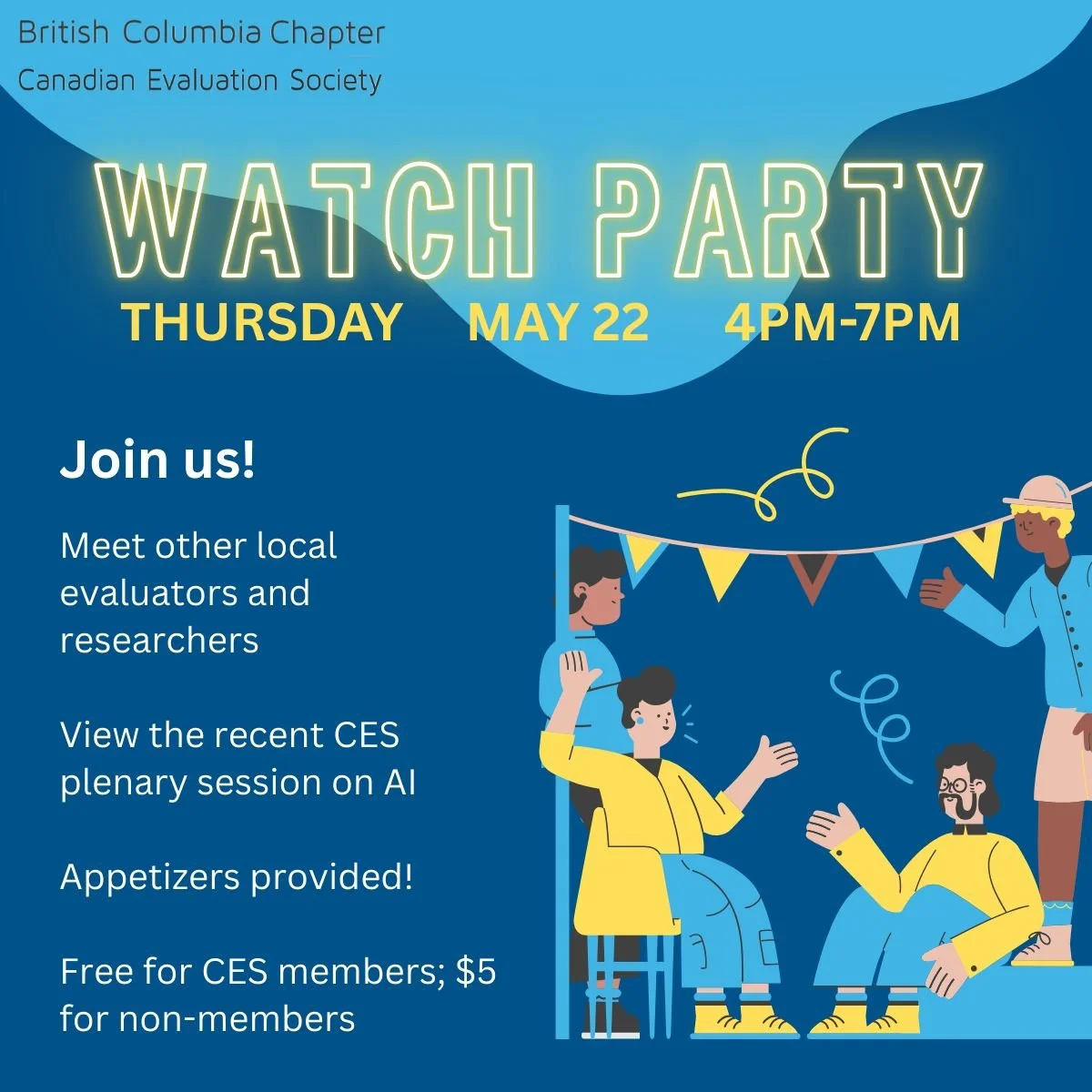
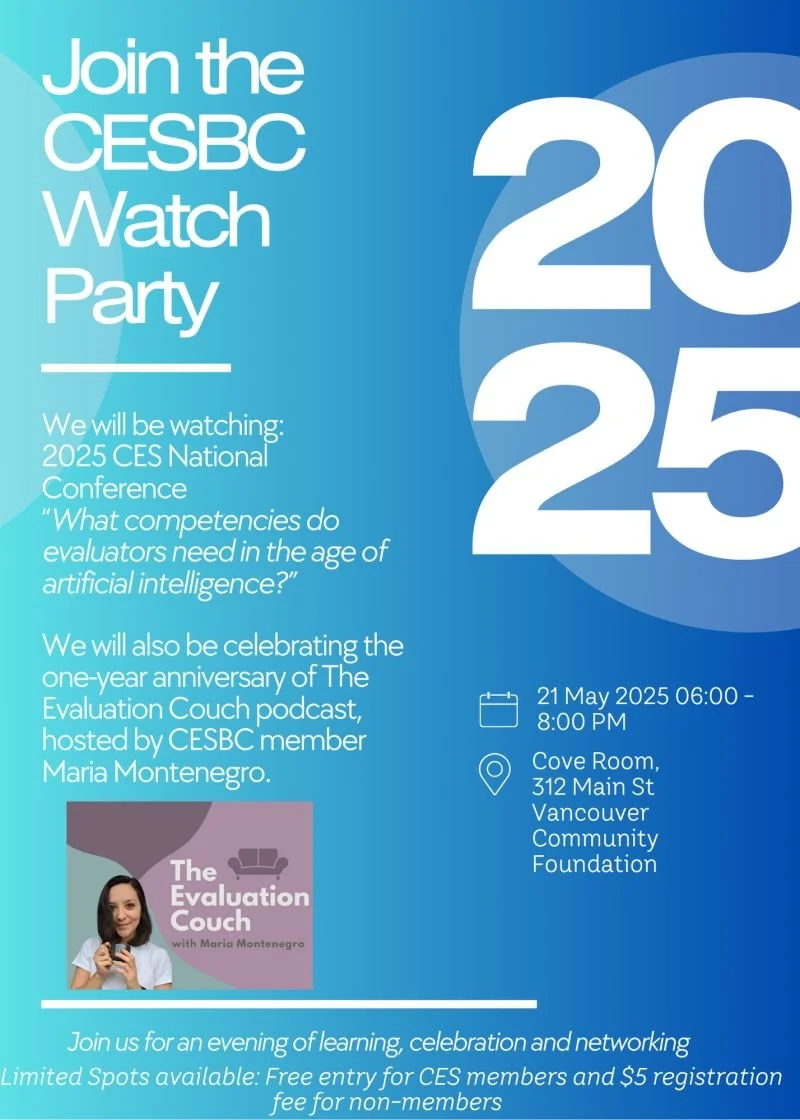
Networking Events
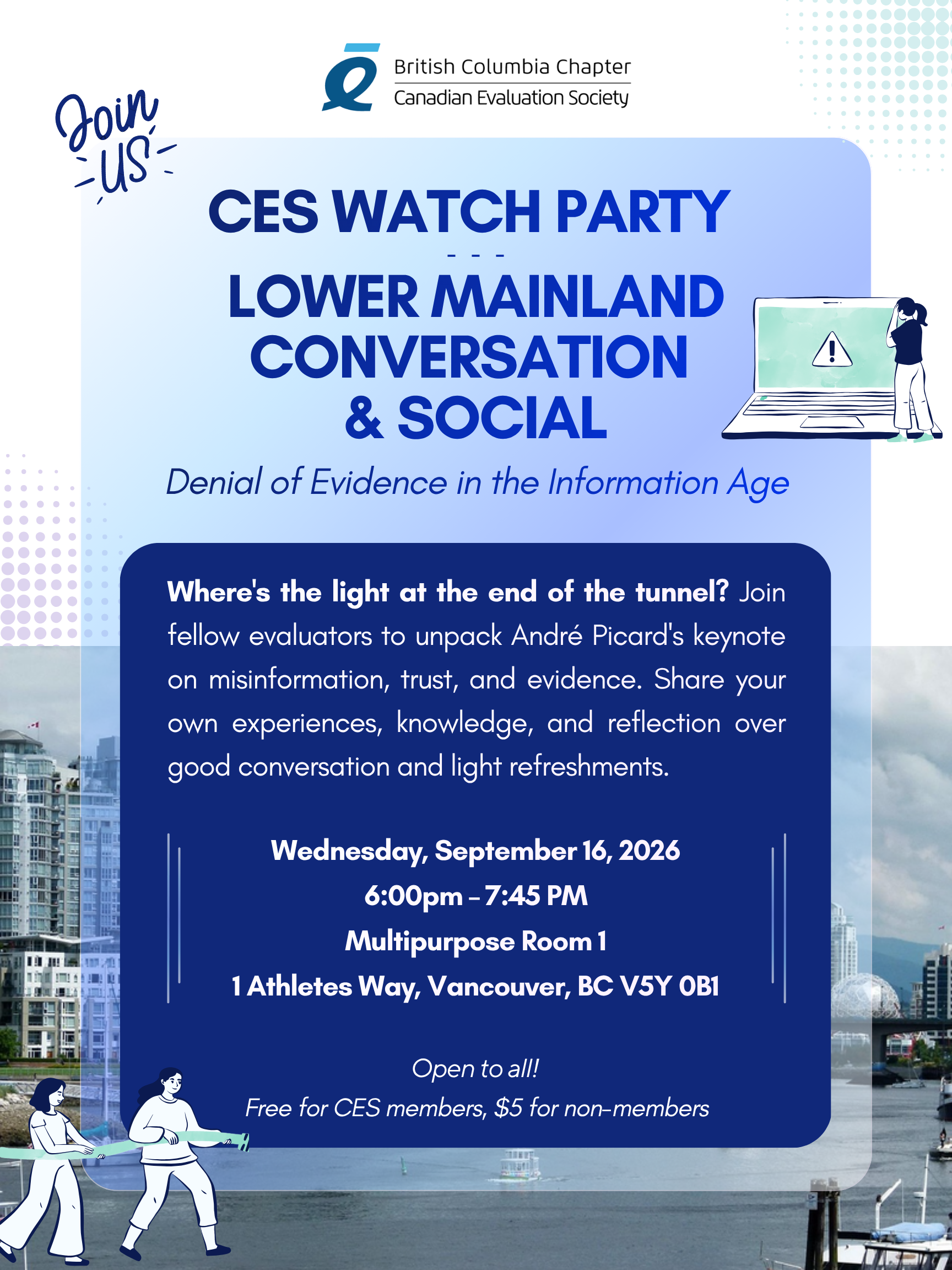


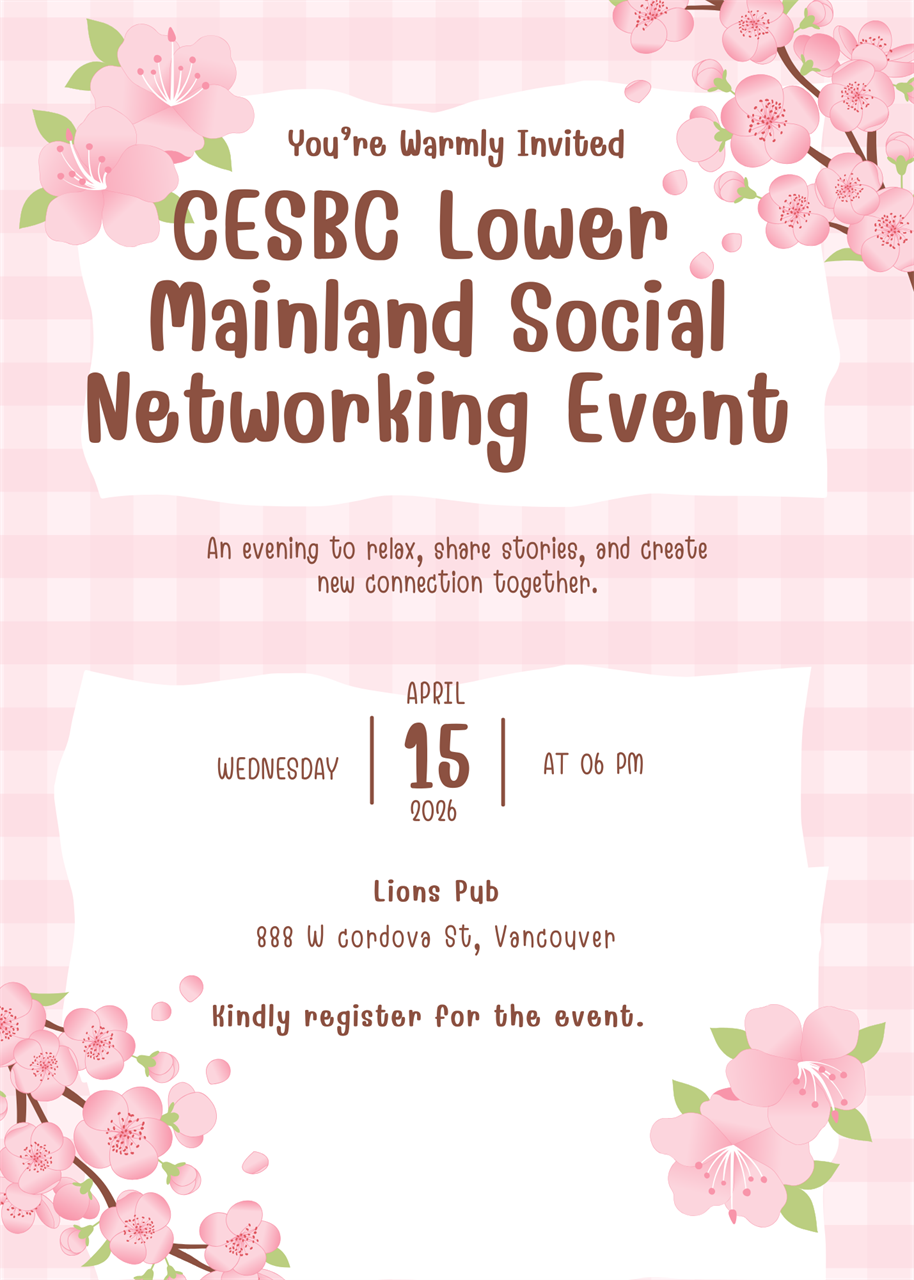




BC Conference
CESSBC’s one-day conference is a catalyst for learning and growth within the BC evaluation community. It brings together evaluation professionals from diverse organizations and backgrounds to share and engage with the latest advancements in the field. To learn about our previous conference themes, speakers, and program details, click the link below.
Full Day Workshops
November 2025
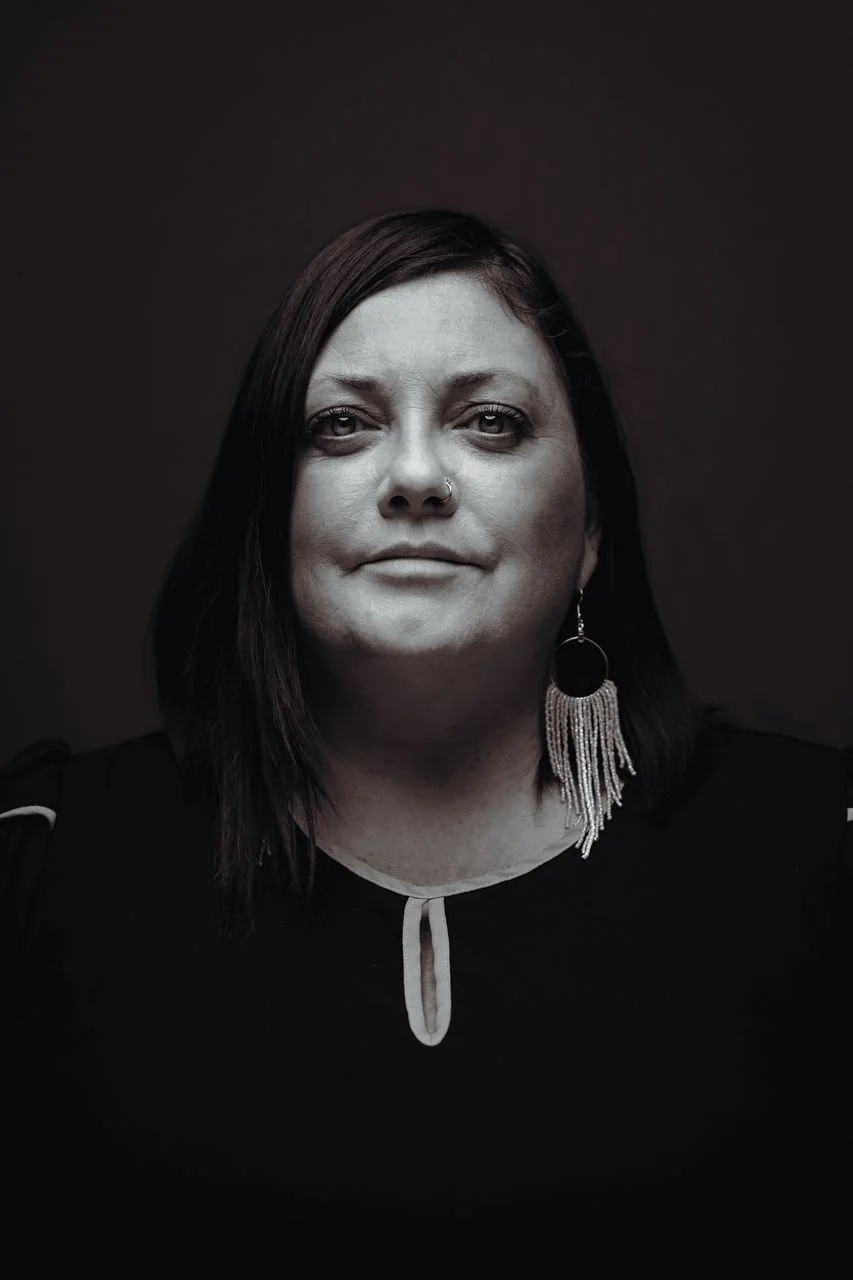
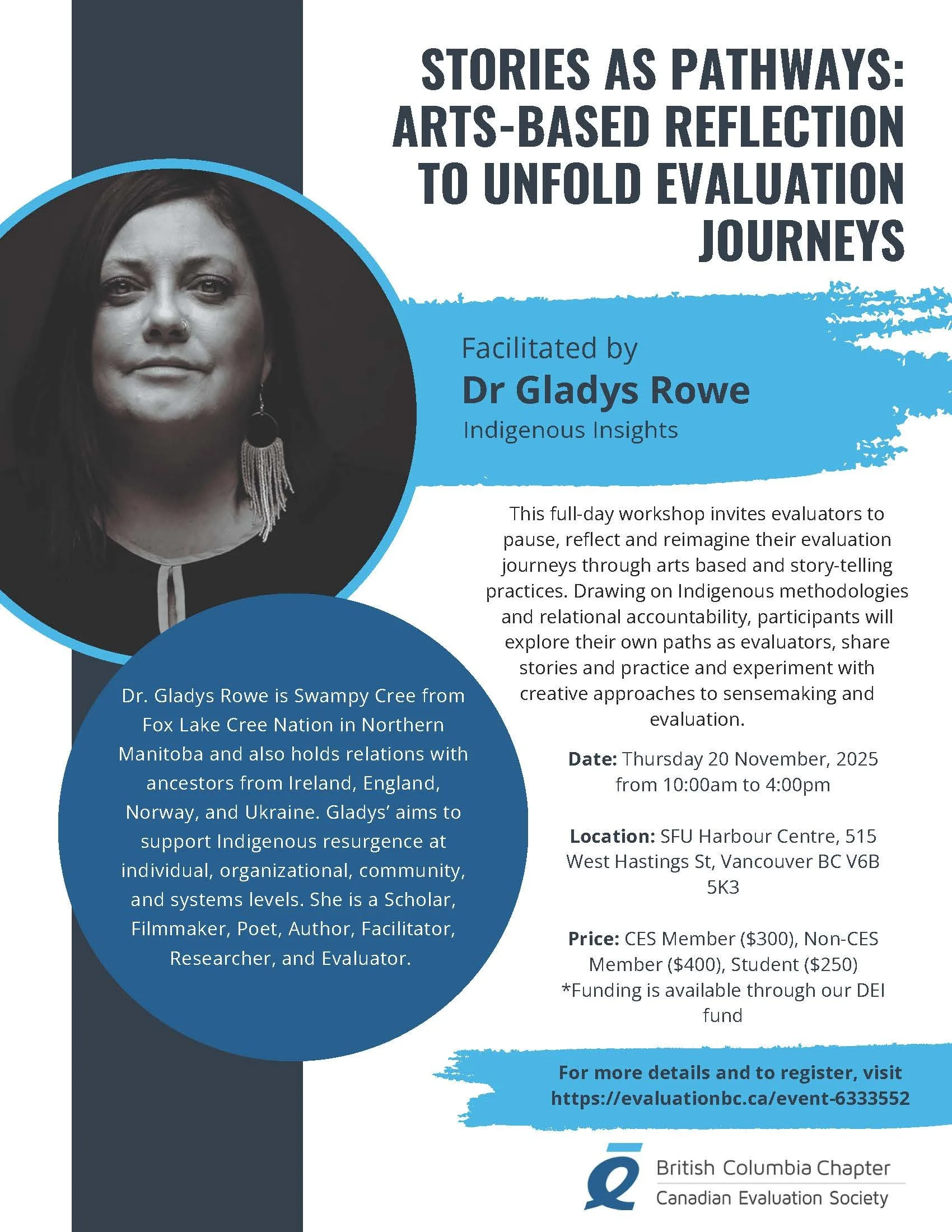
Stories as Pathways: Arts-Based Reflection to Unfold Evaluation Journeys
Dr. Gladys Rowe (MSW)
-
This full-day workshop invites evaluators to pause, reflect, and reimagine their evaluation journeys through arts-based and storytelling practices. Drawing on Indigenous methodologies and relational accountability, participants will explore their own paths as evaluators, share stories of practice, and experiment with creative approaches to sensemaking and evaluation. Together we will:
Map our evaluation journeys and reflect on key moments of learning and unlearning.
Explore storytelling and 4Rs (Respect, Responsibility, Reciprocity, Relationality) as guiding principles.
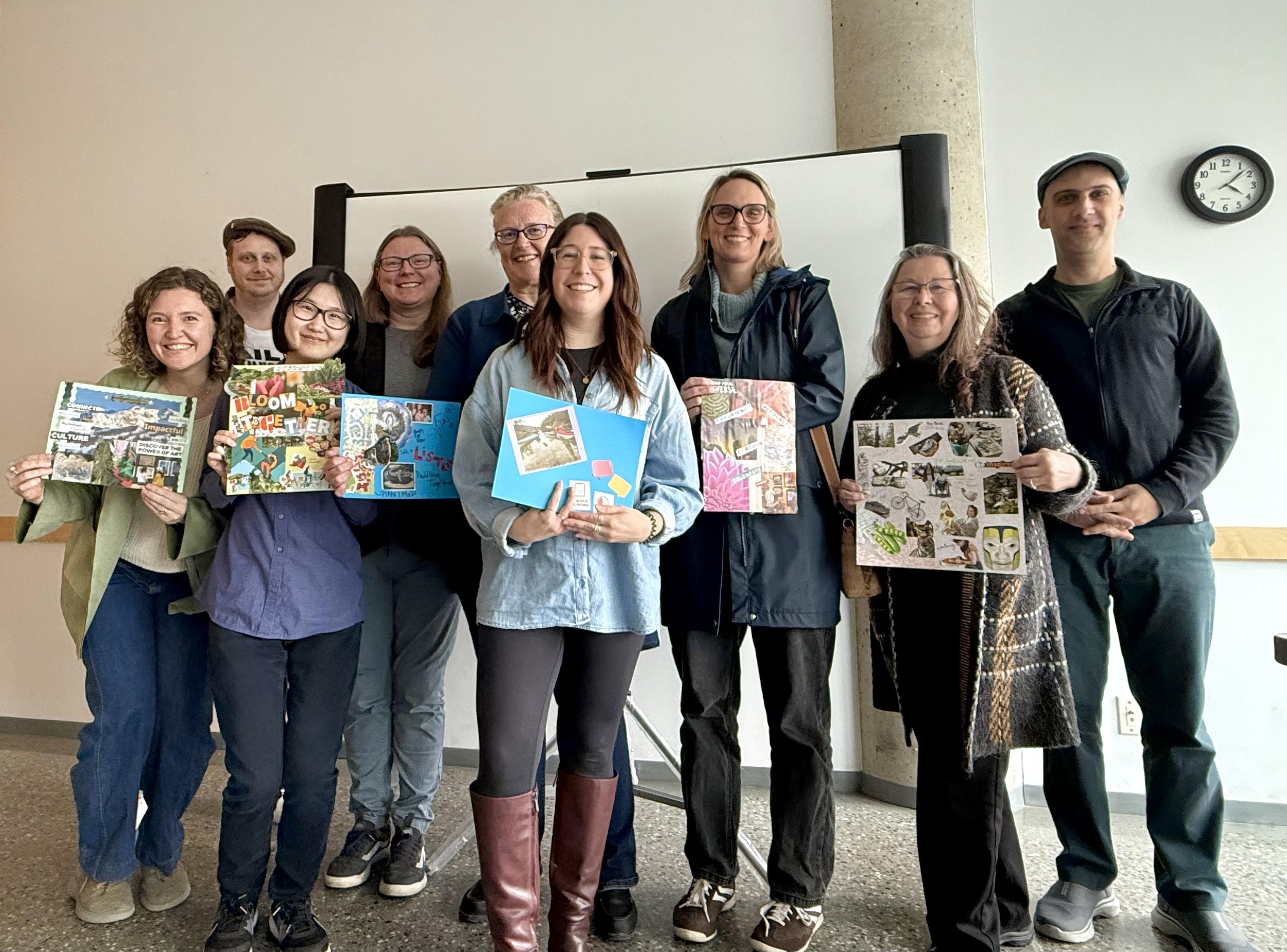
Engage in hands-on creative activities (like collage, poetry, playdoh, zine-making) to imagine new possibilities for evaluation.
Build connections and collective insights to carry forward into our work.
No arts experience is required — just openness to curiosity, creativity, and community. This workshop will provide space to slow down, connect, and cultivate new practices for relationally accountable evaluation.
October 2024
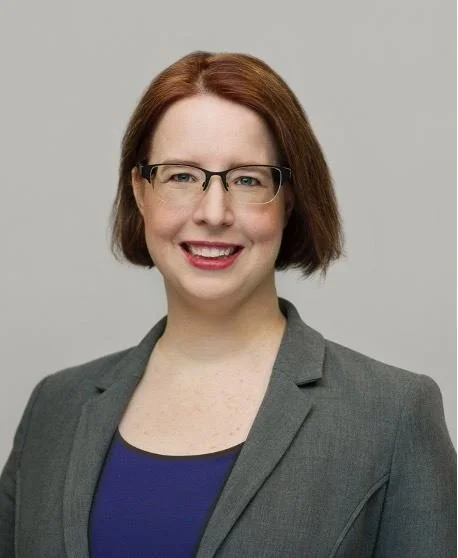
Meeting the Challenge: Principle-Guided Approaches to AI
Dr. Carolyn Hoessler, PhD, CE
-
Artificial Intelligence (AI) challenges us as evaluators to balance expediency and relational quality with implications for data privacy, reputations, trust and costs. The possibilities for AI are endless, but so are questions about its effectiveness, accuracy, bias, data storage and more.
The first half of this session provided those new to and familiar with AI with a framework for understanding its capabilities, and tangible approaches to employ to identify and apply guiding principles for using AI in our own contexts and projects.
The second half of the workshop focused on triaging risk, reviewing data agreements, selecting tools, using prompts and revising AI content to meet our needs as evaluators with hands-on practice throughout.
October 2023
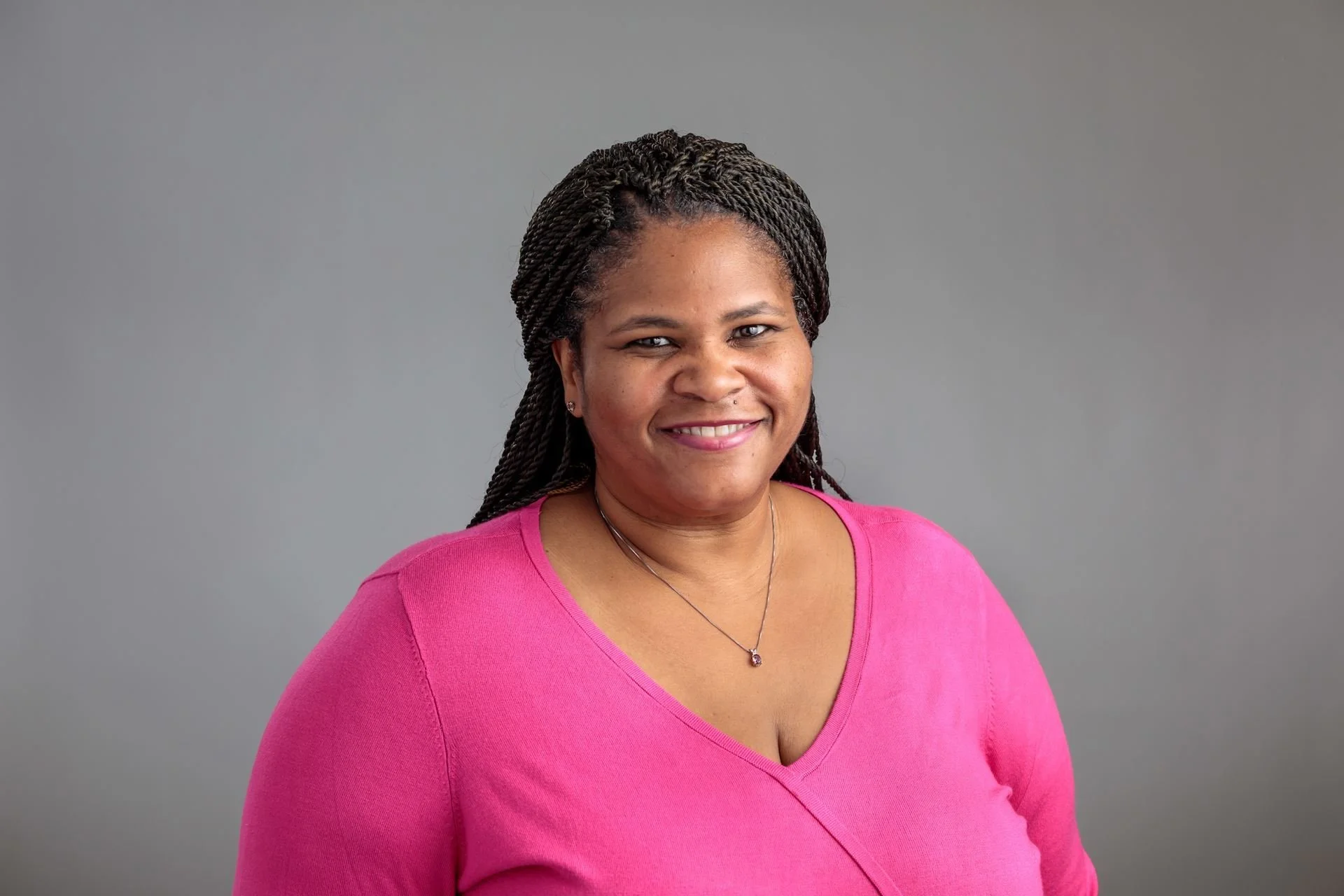
Culturally Responsive & Equitable Evaluation
Dr. Chandria Jones, PhD, Behavioural & Community Health
-
Dr. Jones facilitated an interactive workshop on Culturally Responsive and Equitable Evaluation (CREE), which is an evaluation paradigm that integrates diversity, equity, and inclusion into all phases of evaluation. It incorporates cultural, structural, and contextual factors into the evaluation plan through participatory processes that shift power to those most impacted by the evaluation process. CREE focuses on the conscious awareness, recognition, and inclusion of the unique socioeconomic, cultural, and demographic profiles of Latinx; Black, Indigenous, and people of color (BIPOC); and many other minority groups, before, during, and after an evaluation. Participants:
Examined the concept of equity science as the foundation for inclusive and equitable evaluation methods like CREE
Discussed the history (and theoretical foundations) of culturally responsive and equitable evaluation
Identified the steps to conduct culturally responsive and equitable evaluation
Applied culturally responsive and equitable evaluation concepts to an evaluation case study
October 2022
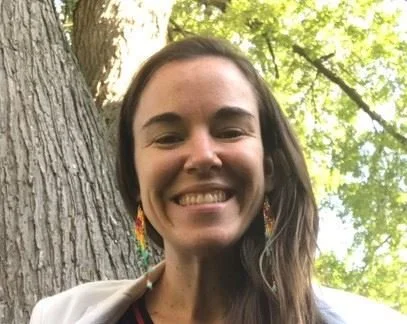
Re-Imagining Indigenous Evaluation Systems
Marissa Hill, Author and Indigenous Innovation Lab Manager
-
Unlearning colonial ways of knowing and being is a lifelong journey, and how we go about Indigenous evaluation is very contextual - differing across people and places. Within Indigenous ways of knowing and being, we are not given everything we need to know all at one time. We are gifted and receive what we need to know, when and how we need to know it, and over time we add to the bundle of tools, resources, learnings, and relationships that we carry to help us navigate our journeys in life.
Participants won’t leave with an Indigenous evaluation “how to” – that is for you to gather on your own over time. Through this hands-on, dialogue-based workshop, you will engage in self and group reflection and discussion about Indigenous and Western evaluation methodologies and the key systemic barriers that exist within the context of Indigenous evaluation and will start to articulate your individual and shared commitments to transform evaluation practice moving forward. This workshop is one stop on your journey of decolonizing your evaluation practice and will give you one more experience to add to your bundle.
October 2019
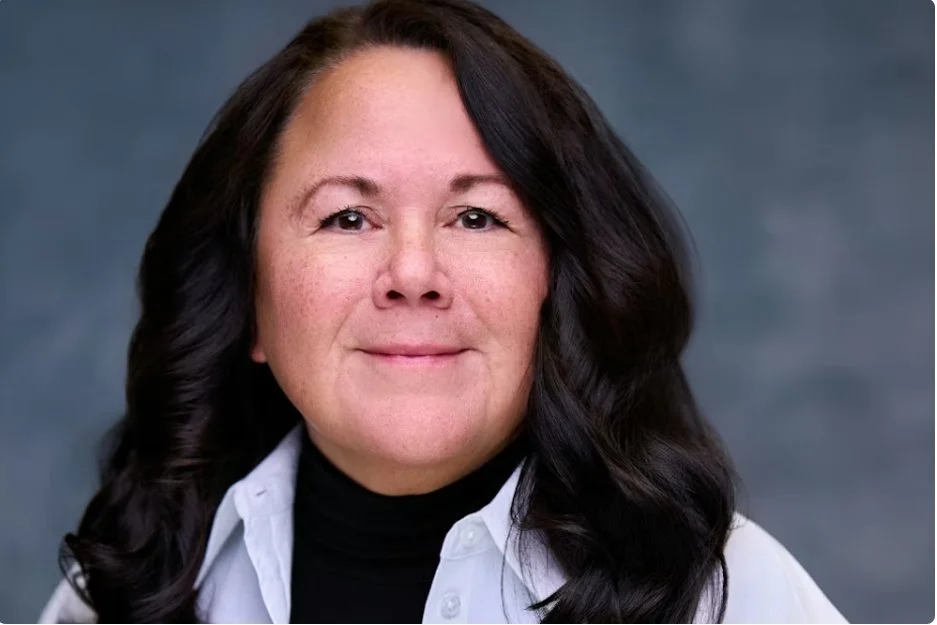
Culturally Responsive Evaluation
Kim van der Woerd, Billie Joe Rogers, Sophia Vitalis
-
Want to learn to partner with Indigenous communities, organizations and governments in culturally responsive ways? This full day workshop covers research paradigms, worldviews, the legacy of colonization, the reconciliation movement, truth-telling and misconceptions, allyship, legacy of research, and culturally responsive evaluation.
January 2019

Effective Data Visualization
Stephanie Evergreen, PhD, Author
-
Want to transform your reports and make your findings easier to use? CESBC is pleased to offer the best ever workshop on data visualization!
Come and learn some data visualization wizardry. Bring your laptops! You will learn the science behind presenting data effectively. You will go behind-the-scenes in Excel and discover how each part of a visualization can be modified to best tell the story from a particular dataset.
As part of the workshop, Stephanie will be using real live examples to show us how to transform our charts to provide meaningful insights. If you have a report that you feel could benefit from a makeover, provide your name and contact information during registration. Stephanie may share portions of your report in the workshop, so you need to be willing to have the report or portions of it be seen by workshop participants and be comfortable with having the report critiqued. Stephanie is looking for three reports to work with, so we will be drawing three names from this registration list.